Force/Torque & Tactile Sensors
Force/torque and tactile sensors give humanoid robots a physical sense of touch and contact force, enabling compliant control, safe human interaction, and dexterous manipulation. Six-axis force/torque sensors are typically mounted at wrists and ankles to measure ground-reaction forces and manipulation loads, while tactile skin arrays cover fingertips, palms, and other surfaces to sense grip pressure, slip, and object shape.
Manufacturers
6 companies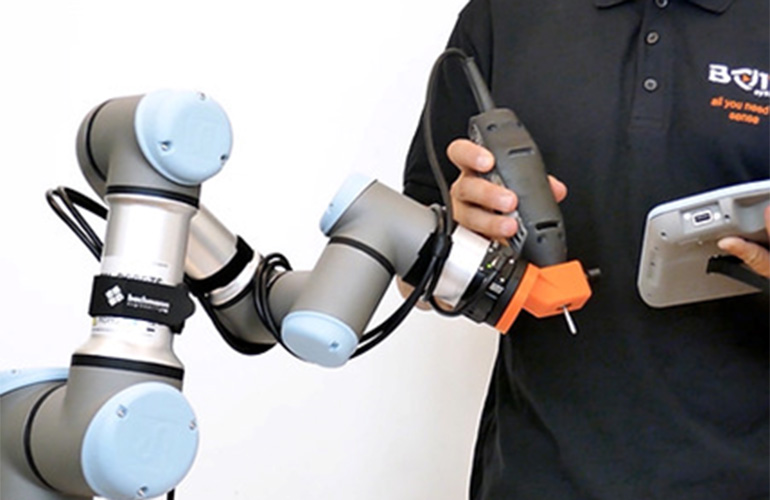
Bota Systems is a Zurich-based spin-off of ETH Zürich's Robotic Systems Lab, founded in 2020 by Klajd Lika, Ilias Patsiaouras, and Marco Hutter, that designs compact, integrated 6-axis force-torque sensors with onboard electronics and IMUs. Its sensors are explicitly marketed for humanoid, legged, and collaborative robots to enable balance, ground-reaction-force sensing, and bimanual manipulation with tactile feedback, and are supplied as integration kits for platforms such as Universal Robots, Kinova, and Franka.
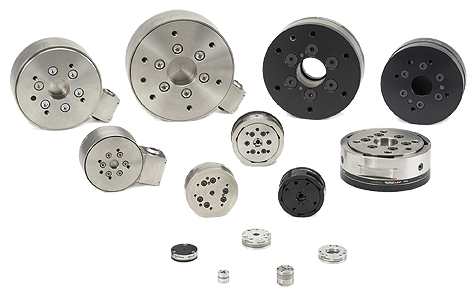
ATI Industrial Automation, based in Apex, North Carolina (now part of Novanta), has manufactured multi-axis force/torque sensors for robotics for over 30 years using silicon strain-gauge transducer technology. Its Axia and Nano/Mini/Omega sensor families are mounted at robot wrists to give six-axis force and torque feedback for compliant assembly, grinding, polishing, and research applications including haptics and rehabilitation robotics.
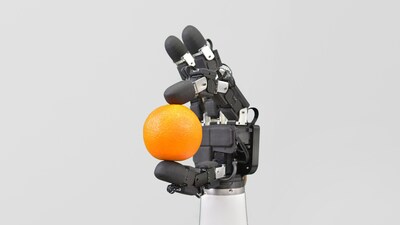
XELA Robotics is a Tokyo-based tactile sensor hardware and software company whose uSkin technology uses a flexible elastomer skin with embedded 3D displacement sensors to detect contact forces, object shape, and grip state across large surface areas (fingertips, phalanges, and palms), not just fingertips. In January 2026 the company announced integration of uSkin into the Tesollo DG-5F five-fingered anthropomorphic robot hand, alongside existing integrations with Wonik Robotics, Sake Robotics, Weiss Robotics, and Robotiq grippers/hands used in humanoid and industrial manipulation.

PaXini (Shenzhen, China) is a tactile-sensing company founded by researchers from Waseda University's Sugano Laboratory that builds a full-stack "tactile infrastructure" for embodied AI, spanning 6-axis force/torque sensors, multidimensional tactile dexterous hands (DexH13, GMH18), and its own TORA-ONE and TORA-DOUBLE ONE humanoid robots. At CES 2026 it unveiled the PX6D/PXTS, described as the first commercial Hall-effect 6D force/torque sensor built specifically for embodied AI.
SynTouch is a Los Angeles-based tactile sensor company, spun out of the University of Southern California in 2008, that manufactures the BioTac line of biomimetic tactile sensors replicating human fingertip sensing of force, vibration, and temperature. BioTac and the smaller BioTac SP have been integrated onto research and commercial robotic hands from Shadow Robot Company, Barrett Technologies, Robotiq, and Allegro, making SynTouch one of the longest-established suppliers of fingertip-level tactile sensing used in dexterous manipulation research relevant to humanoid hands.
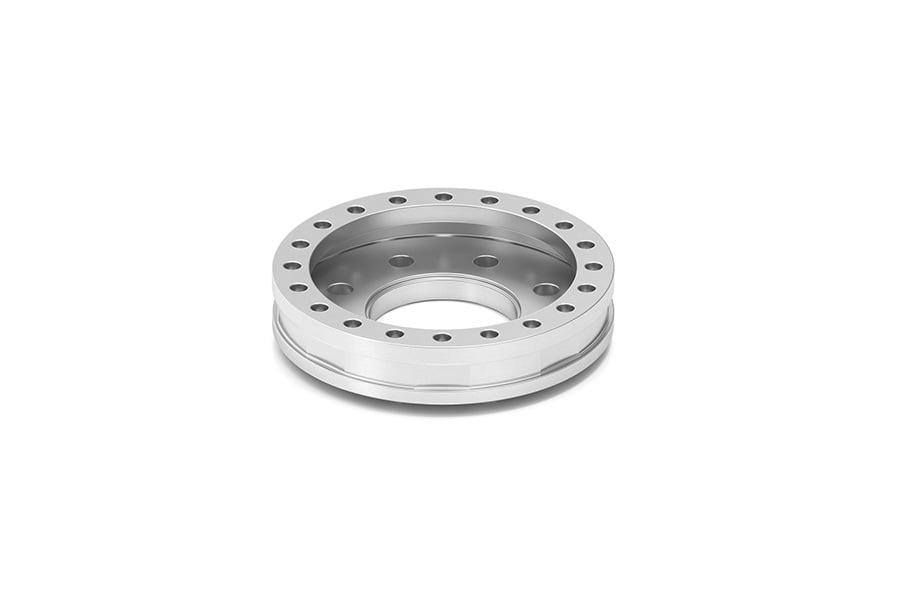
FUTEK, based in Irvine, California and founded in the late 1980s, manufactures load cells, torque sensors, pressure sensors, and multi-axis force/torque sensors for aerospace, medical, automotive, and robotics applications. The company maintains a dedicated humanoid robot sensing product line, including the QMA154 6-DoF F/T sensor and QTA158 strain-wave-gear torque sensor, marketed for placement in fingertips, wrists, torso joints, legs, and feet to give humanoid robots balance and manipulation feedback.